As a paediatric Dietitian, I work with families with all sorts of questions about food. This got me thinking about what is food? Is it just something to keep our tummy is full? Is it just a vessel to fuel our bodies with the correct nutrition for healthy? What does it mean to have a healthy relationship with food? What defines healthy eating? How can I support families to build a strong foundation around healthy eating? So today, I will be discussing about how to foster a positive relationship with food, starting from a young age so that our children will develop lifelong healthy eating habits.
What is food?
Here are some definitions of food:
- “Food is one of the basic necessities of life. Food contains nutrients—substances essential for the growth, repair, and maintenance of body tissues and for the regulation of vital processes” as according to National Geographic
- “Material consisting essentially of protein, carbohydrate, and fat used in the body of an organism to sustain growth, repair, and vital processes and to furnish energy”, “nutriment in solid form” and “something that nourishes, sustains, or supplies” as according to Merriam Webster Dictionary
In my opinion, food is more than just nourishment. Food plays an important role in social connections, linking us to our traditions and cultures. Food is celebrated especially during festive seasons and also food has a strong role in fulfilling emotional needs. Rather than focusing on food purely as a source of nutrition, which I have covered extensively in previous posts, today’s discussion will take a more holistic approach, exploring the role of food in our daily lives and how to build a healthy relationship with food.
My background
I am a Malaysian born Chinese, who has spent most of my adulthood living in Australia. More recently, me and my family have moved to Canada. Naturally, the food that I prepare for myself and my family is deeply rooted to my Chinese heritage, with additional influence from the Malaysian culture.
As an example, the Lunar New Year or Chinese New Year is celebrated by many Asian communities all over the world. I celebrate the lunar New Year with influence from the Chinese traditions, such as eating mandarins (which symbolise wealth) and noodles (which signify longevity). Growing up in Malaysia for most of my childhood have introduced me to rich Malaysian culture & traditions. One example is having a dish called “yee sang” or 鱼生 in Chinese, a festive dish that can only be found on Lunar New Year. This dish consists of a variety of vegetables and some fish (usually salmon sashimi). Before eating, family members gather around, using chopsticks to toss the salad while exchanging well wishes. The higher the toss, the better, as it symbolises longevity.
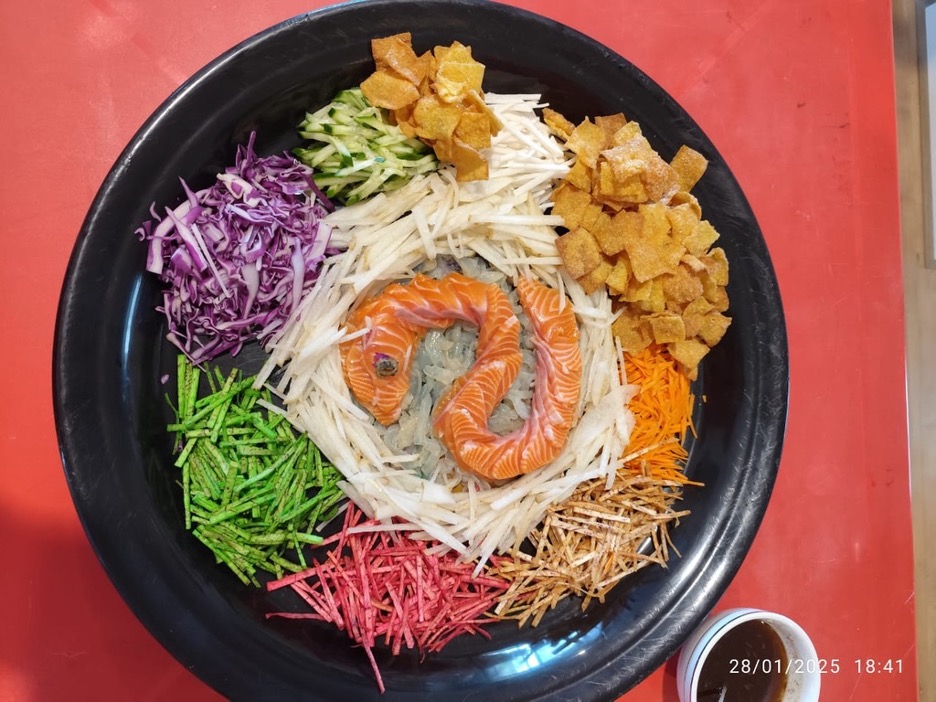
Photo of home-made “yee sang” for this lunar new year!
This year, I had the honour of giving a talk to children at my son’s daycare about Lunar New Year and my cultural background. I loved sharing not only our family traditions but also the significance of food in these celebrations with examples on the common foods one can expect to find during the Lunar New Year. Since the children were between 18 months old and 2½ years old, I used picture books as a visual guide to keep the children engaged.
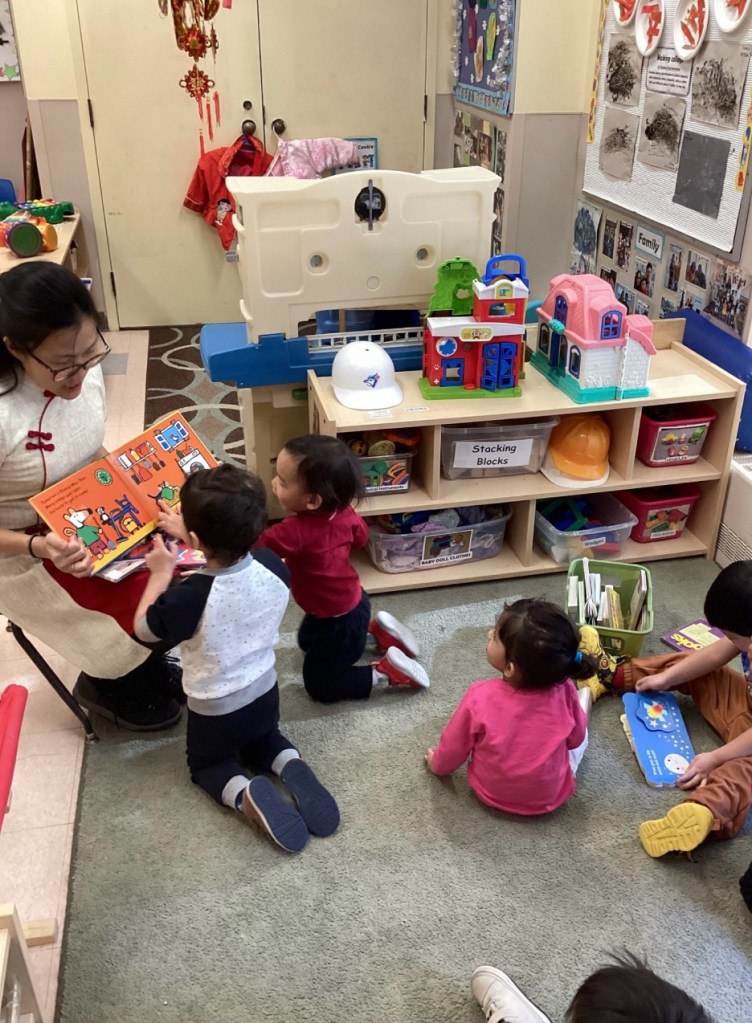
Connecting Tradition and Culture with Healthy Eating
Healthy eating involves eating a variety of food that provide our bodies with essential nutrition for a healthy body and mind, particularly for children who are still growing. But how do tradition and culture influence healthy eating? Our cultural background has a direct impact on what we eat daily. We can embrace traditional foods while maintaining balanced nutrition by incorporating culturally appropriate foods from the five core food groups.
For example, as part of my Chinese heritage, I eat rice or noodles daily. To maintain a balanced diet, I make sure my family’s meals are prepared based on 5 food groups as according to the Australian Guide to Healthy Eating. All main meals will include food from the grain food group, meat / meat alternative food group, and vegetable food group. After dinner, my children are offered yoghurt and fruit to meet their dairy and fruit requirements.
On special occasions, our diet will look different, and that is okay! Lunar New Year is a great example. On regular days, my children have cereal or porridge with milk and fruit for breakfast. However, on Lunar New Year, they are allowed to have festive biscuits, as this is part of our family tradition that I grew up with.
Teaching children about traditions helps them develop a more holistic appreciation of food. Food is not just about nourishment, it can also bring joy, create memories, and provide opportunities to learn about our heritage. I love sharing stories with my children about how I celebrated Lunar New Year in Malaysia, including how my grandmother made festive biscuits from scratch and how I helped my mother prepare them as a child. These moments connect our children to family traditions and teach them that food is about more than just eating, it is about culture, history, and togetherness.
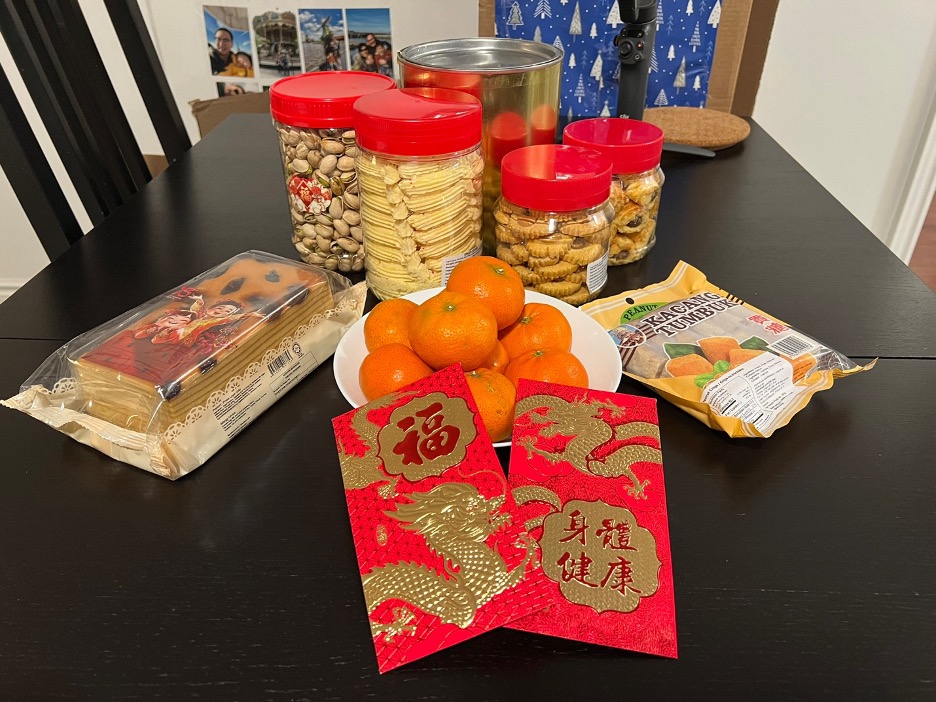
Our spread of Lunar New Year biscuit for this year of the snake.
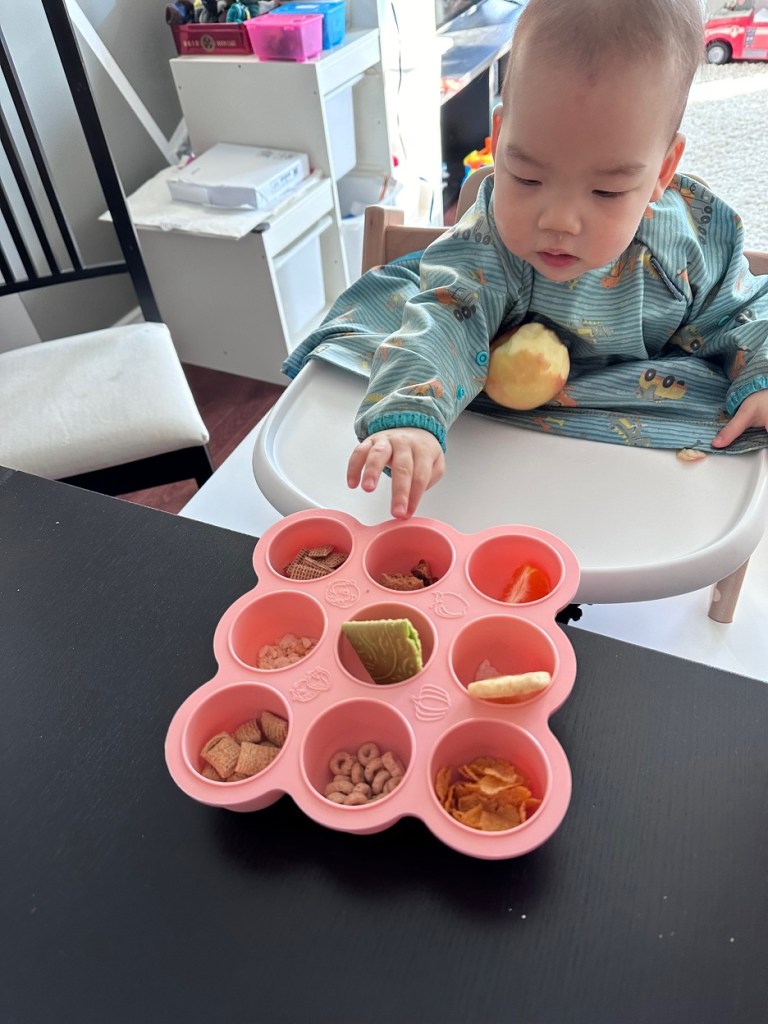
When my youngest was old enough to have biscuits (at 13 months old), I let him explore these “new foods”. Even though they are supposedly “junk food” with little nutritional value, I valued the importance of teaching how cultural foods or traditional food has a place in our diet.
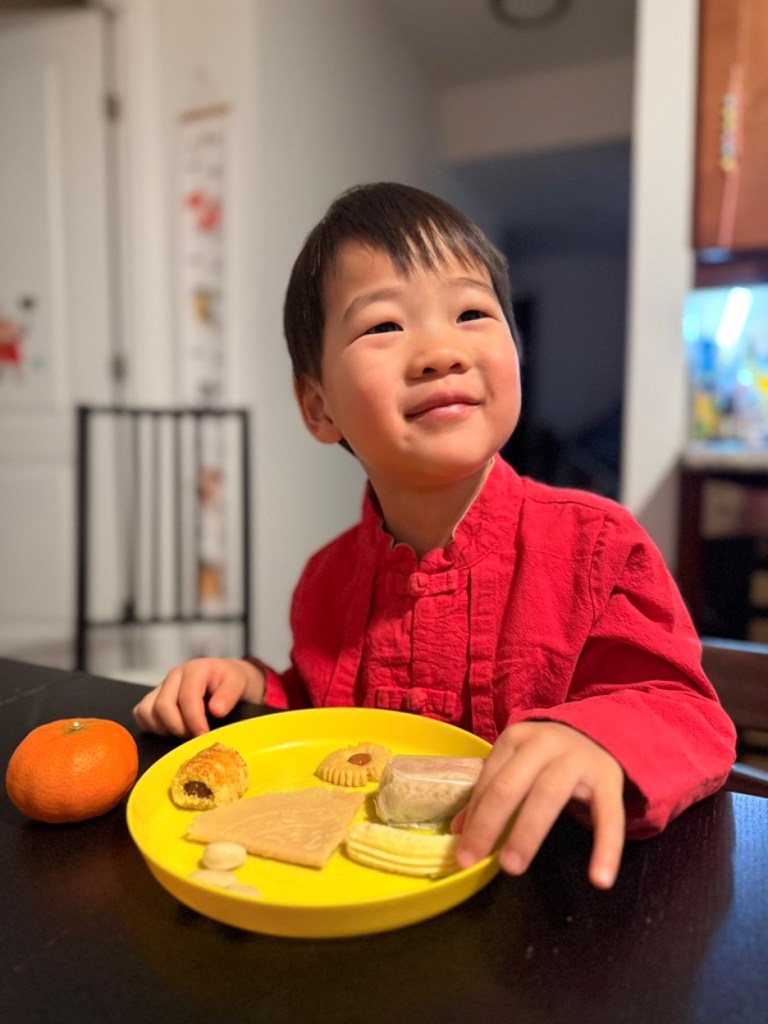
My eldest son has fully embraced Lunar New Year and enjoys celebrating with us this year.
Encouraging Healthy Eating While Honouring Tradition
Here are some suggestions on how to promote healthy eating habits while preserving traditions and cultures:
- Eat together as a family. Shared meals help strengthen relationships and create positive associations with food.
- Tell stories about the significance of traditional foods. Help children understand why certain foods are important in your culture.
- Incorporate traditional foods while following the Australian Dietary Guidelines. Traditional dishes can be adapted to fit within the five core food groups. The Australian Dietary Guidelines provide recommendations on how much food to eat based on age and gender.
- Teach children that some foods are for special occasions. Just as birthday cakes are reserved for birthdays, festive foods can be enjoyed during celebrations.
- Encourage mindful eating. Help children recognise when they are hungry or full, especially during festive seasons when overeating is common.
- Model healthy behaviours. For example, saving food for later when full will teach children how to listen to our body’s hunger and satiety cues without feeling like they are missing out on food.
- Reassure children that food will always be available later in the day. This reduces the urge to overeat in one sitting.
- Offer water through the day. Always choose water as the main choice of drink as a family.
- For older children, create new family traditions. Involve them in deciding how to celebrate special occasions in a meaningful way.
By fostering a positive relationship with food, we can help our children develop lifelong healthy eating habits while staying connected to their cultural heritage.
