This is my third post about in my series about the five core food groups. A balanced diet includes foods from five main food groups, and they are: grains and breads, fruits, vegetables and legumes / beans, dairy products, and meat or meat alternatives. In today’s post, I will be focusing specifically on vegetables.
Why Are Vegetables Important?
As mentioned in my last post about fruits, it is well known that increasing plant-based food intake is linked to better health outcomes. Therefore, increasing vegetable intake will not only benefits heart health, but there are evidences to show that increasing vegetable intake can help with certain cancers, particularly colon cancer. Vegetables are low in kilojoules and rich in various vitamins, minerals, and fibre, making them a vital part of our daily meals. Eating plenty of vegetables can help prevent excessive weight gain in children and also reduce the risk of future health issues such as obesity and type 2 diabetes.
Certain vegetables such as legumes or beans are great sources of protein, making them an essential part of a balanced diet for families who choose to eat meat-free meals, particularly those following vegetarian or vegan diets.

Did You Know?
Similar to fruits, there are four different categories of vegetables. These categories are dark green or cruciferous vegetables, root or tubular or bulb vegetables, legumes or beans, and other vegetables.
- Dark green or cruciferous vegetables such as broccoli, cauliflower, spinach, lettuce, cabbages, kale, brussels sprouts, bok choy and choy sum
- Root/tubular/bulb vegetables such as sweet potato, potato, taro, onions, garlic, shallots, turnip, carrots, cassava, beetroot and lotus root
- Legumes/beans such as chickpeas, red beans, kidney beans, soy beans, lentils, cannellini beans and black beans
- Other vegetables such as zucchini, mushrooms, eggplant, cucumber, peas, green beans, tomatoes, celery, capsicum, okra and squash
Aim For Variety
Different coloured vegetables provides a range of vitamins and minerals. We can consume different parts of vegetables, such as the leaves of bok choy, the tuber of potatoes, the stems of rhubarb, or even the seeds of pumpkins. While some parts of certain vegetables may be too tough to chew, incorporating a variety of vegetable types and parts into meals can enhance their nutritional benefits.
Starchy vegetables contain more carbohydrates. Examples include white potatoes, taro, sweet potato, and corn. While these are part of the vegetable food group, it is important to ensure children eat a range of different vegetables rather than filling up only on starchy options.
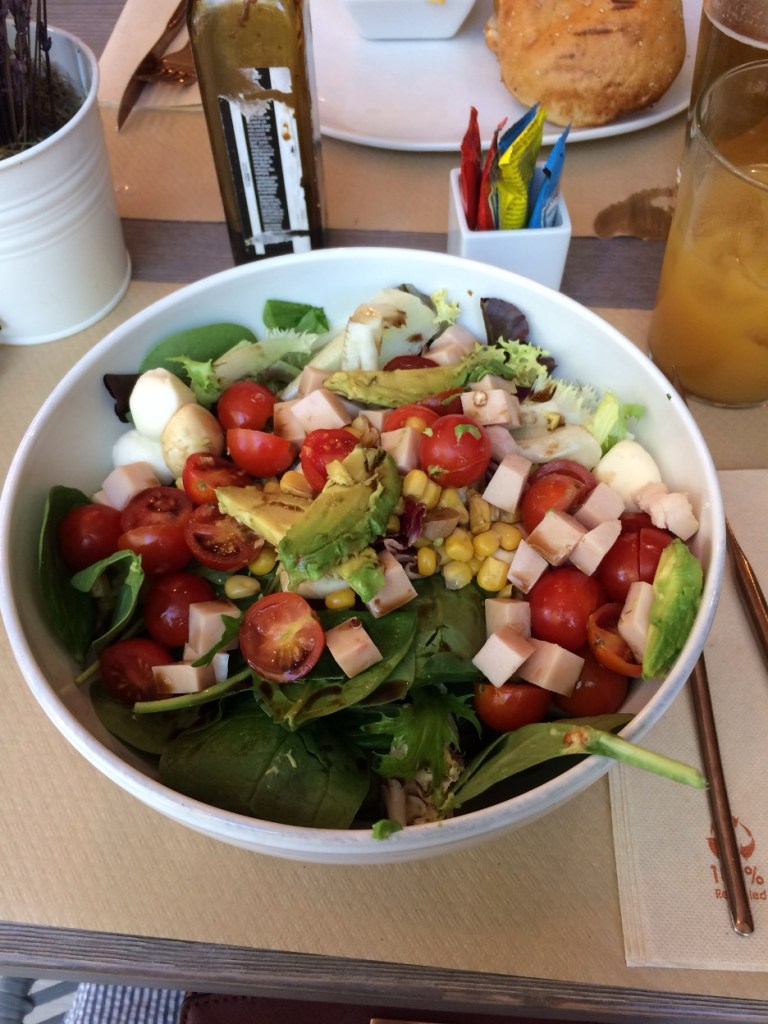
Families Following Vegetarian Diets
I have a previous post around vegetarianism, and for those of you who have not read this post, you can find it here.
The main takeaway message for vegetarian families is to make sure your child has enough protein, iron, zinc and vitamin B12 while following a vegetarian diet. As a guide, around 20% of a child’s total energy intake per day should come from protein as according to this resource. Nuts or seeds, tofu, eggs, yoghurt, milk, cheese, legumes or beans are good sources of protein. I will specifically go through what is a serve size of vegetables and legumes / beans, as well as meat / meat alternatives, and how much of each food group your child needs later in this post.
How To Get My Child To Eat More Vegetables?
I have previously written a post around strategies to encourage children to eat more vegetables. If you have not read that post, you can find it here.
In summary, consider whether your child dislikes vegetables due to taste or texture as these are the two most common reasons as to why children do not eat vegetable. If it is a texture issue, try cutting vegetables into different sizes. For an example, eating a whole celery can feel very different from eating celery that is finely chopped in a salad. If taste is the issue, experiment with different cooking methods, such as boiling, baking, grating into sauces, or steaming. For example, sweet potato may taste bland if they are boiled compared to roasted in the oven. By choosing a different method of cooking vegetables, you will be surprised on how different the vegetable will taste.
Most importantly, work together as a family on what you can do to change the food so that it is better for your child. Get your child involved and they are more likely to be interested in trying vegetables.
What Counts as One Serving of Vegetables?
According to the Australian Dietary Guidelines, a standard serve from the vegetable and legumes / beans food group is:
- ½ cup cooked green or orange vegetables (for example, broccoli, spinach, carrots or pumpkin)
- ½ cup cooked dried or canned beans, peas or lentils (preferably with no added salt)
- 1 cup green leafy or raw salad vegetables
- ½ cup sweet corn
- ½ medium potato or other starchy vegetables (sweet potato, taro or cassava)
- 1 medium tomato
Depending on your child, how much vegetables your child needs per day varies. Here is a table on how many servings of vegetables your child needs per day:
| Age (years) | Vegetables | Meat or meat alternatives* |
| 2-3 | 2½ | 1 |
| 4-8 | 4½ | 1½ |
| 9-11 | 5 | 2½ |
| 12-13 | 5 – 5½ | 2½ |
| 14-18 | 5 – 5½ | 2½ |
*Families who follow a vegan diet need to make sure their child has enough legumes or beans intake as per the meat / meat alternative food group. A lacto-ovo vegetarian family can also choose eggs as a source of meat alternative on top of legumes or beans. For more details, refer to Eat for Health.
Tips On Increase Vegetables and Beans / Legumes in Your Child’s Diet
Here are five simple ideas on how to get more vegetables, beans or legumes into your child’s diet:
- Include small amounts of vegetables throughout the day, such as wilted spinach at breakfast, a small salad with sandwiches for lunch, colourful cooked vegetables at dinner, and vegetable-based snacks like cucumber slices, seasoned chickpeas, or carrot sticks.
- Pre-cut vegetables on weekends to make vegetables more accessible during busy weekdays.
- Keep frozen, canned, or dried vegetables (such as legumes) on hand for convenience on days when you run out of fresh vegetables.
- Add vegetables to smoothies with fruit. The natural sweetness of fruits will make the smoothies more appealing for children.
- Buy seasonal vegetables for better freshness and can save costs.
When eating vegetables, think about eating a rainbow. The more variety, the better, as different colours provide different nutrients. Follow my tips above and stay tuned for my next post about meat and meat alternatives!
