As mentioned in my previous post, we know that there are five main food groups essential for a balanced diet, and they are: grains and breads, fruits, vegetables and legumes / beans, dairy products, and meat or meat alternatives. For today, I will be focusing specifically on fruits.
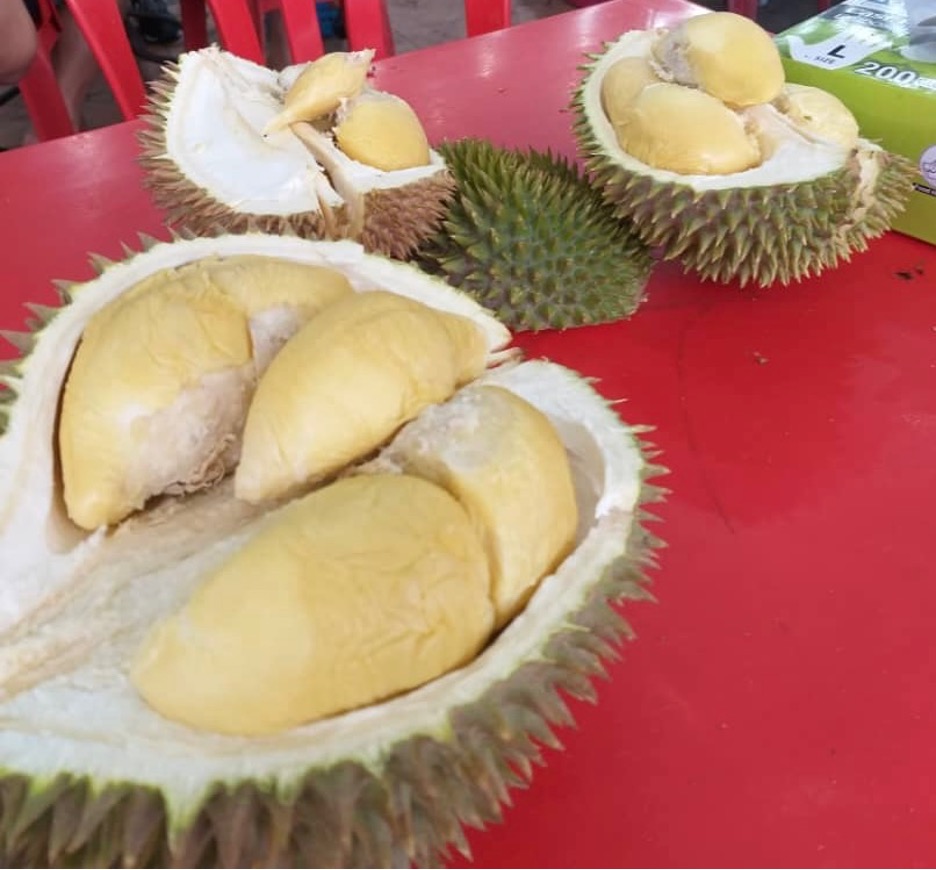
My favourite fruit – the “King of Fruits”, durian!
Why Are Fruits Important?
Fruits are a rich source of vitamins such as vitamin A, vitamin C, and vitamin E, as well as minerals such as potassium and magnesium. Fruits are also an excellent source of water and fibre. Most fruits are naturally sweet, which makes them a perfect food choice for children, as children has an innate preference for sweet flavours. There is extensive research showing that increasing plant-based food intake is linked to better health outcomes.
It is important to offer a variety of fruits to our children, so that they can benefit from the full range of nutrients this food group provides. Fruits are also naturally low in energy, making them a great option for satisfying hunger between mealswithout excessive energy intake.
Did You Know?
There are different categories of fruits? These categories are: pome fruits, citrus fruits, stone fruits, tropical fruits, and berries.
- pome fruits such as apples and pears
- citrus fruit such as oranges, mandarins and grapefruit
- stone fruit such as apricots, cherries, peaches, nectarines and plums
- tropical fruit such as bananas, paw paw, mangoes, pineapple and melons
- berries such as raspberries, strawberries, blackberries and blueberries
- other fruits such as grapes and passionfruit
Do Children Eat Too Much Fruit?
It is not surprising that fruit is a common favourite food in families, and for good reason too! Before I go into detail about how much fruit a child should have in a day, it is important to note that having too much fruit can be a problem. This is particularly for children struggling with weight issues, whether they are underweight or overweight. Occasionally, having too much fruit can lead to tummy issues such as having diarrhoea or having a sore tummy due to the naturally occurring fructose and sugar alcohols that can be found in fruits.
That said, as a paediatric dietitian, I personally believe that fruit is a much better snack option than most of the other highly processed, refined packaged foods that you can easily find in the supermarket.
What Counts as One Serving of Fruits?
According to the Australian Dietary Guidelines, a standard serve from the fruit food group is:
- 1 medium fruit (e.g., apple or pear)
- 2 small fruits (e.g., kiwi or mandarin)
- 1 cup of canned fruit (preferably in natural juice / with no added sugar)
Technically, ½ a cup of fruit juice with no added sugar or dried fruits (about 30g serve size such as 1½ tablespoon of sultanas) also counts as one serve of fruit.
However, I don’t personally recommend fruit juice or dried fruits as a regular part of a child’s diet. This is because:
- Fruit juice and dried fruit are energy-dense, meaning children can easily overconsume energy, potentially leading to weight issues.
- Children who consume excessive fruit juice and dried fruit may miss out on the experience of eating whole fruits, which offer important exposure to different textures, flavours, and chewing practice which is essential fororal motor skill development. The more opportunity you provide for your child to practice on their chewing, the more efficient they are at eating, increasing your chances of building a competent eater.
- Sweetened beverages, including fruit juice, can contribute to dental issues such as cavities.
Depending on your child, how much fruit your child needs per day varies. Here is a table on how many servings of fruits your child needs per day:
| Age (years) | Fruit serves per day |
| 2-3 | 1 |
| 4-8 | 1½ |
| 9-11 | 2 |
| 12-13 | 2 |
| 14-18 | 2 |
For more details, refer to Eat for Health.
Tips On How to Incorporate Fruit in Your Child’s Diet
Here are six simple ideas on how to get more fruit into your child’s diet:
- Offer a small serve of fruit to go with morning snack and afternoon snack.
- Keep fruit easily accessible by placing fruits on areas where it is easily accessible for the family.
- Consider adding fruits into main meals. So this can be adding some bananas to go with breakfast cereal, adding grated apples into salads, or using blueberries in baked goods such as making a blueberry muffin.
- Ran out of fresh fruit and haven’t been to the shops lately? Consider keeping canned fruit in the pantry for days when fresh fruit isn’t available. Choose canned fruit in natural juice and serve it with yoghurt for a nutritious snack.
- Use frozen fruit in smoothies.
- Buy fruits that are in season as they are cheaper, tastier and generally sweeter. Your wallet will thank you as well.
Fruits are packed with essential nutrients and should be a part of your child’s daily diet. By following these simple strategies, you can easily increase fruit consumption. Stay tuned for my next post about vegetables!
