In today’s blog post, I’ll be discussing foods that are safe for children up to the age of five. Let’s start with infants—babies under 12 months old.
Safe Eating for Infant (Under 12 Months)
Infants should be given foods that are texturally appropriate for their stage of development. This typically means starting with purées, gradually introducing small lumps as they become more experienced with solids and eventually progressing to table foods similar to what parents eat by around 12 months of age. However, there are different approaches to introducing solids, such as baby-led weaning. This method is a suitable option, provided parents follow safe preparation guidelines to ensure foods are appropriate for their baby.
Foods to Avoid for Infants
Some foods should be completely avoided for babies under 12 months due to safety concerns, including:
- Honey – Honey can contain bacteria that cause infant botulism, a rare but serious illness that can be fatal. Even cooked honey is unsafe, as the spores that cause botulism are heat-resistant.
- Raw meat or fish – Including sashimi-grade fish, due to a baby’s immature immune system.
- Salads – The texture can be difficult for infants to manage as they lack mature oral motor skills.
- Unpasteurised milk – High risk of foodborne illness.
- Caffeine – Including tea, coffee, and energy drinks.
- Added sugar or salt – Babies don’t need sugar or salt for flavour; they are still learning to appreciate the natural taste of foods. However, herbs and spices can be safely used in cooking.
- Alcohol – Even small amounts can be harmful.
- Highly processed foods – Such as ham, sausages, and bacon, due to their high fat and salt content.
- Occasional treats – Cakes, pastries, biscuits, sweet drinks (including fruit juice), and chocolate should be limited to special occasions for the family.
- Foods and vegetables that are a choking hazard – especially hard or round foods. See below for more details under “common choking hazards”.
On top of avoiding certain foods, supervision during meal and snack times is essential. Babies should always be seated in a high chair with an attentive parent or caregiver present. It is particularly dangerous to offer food to an infant in the car while driving. Whilst it is tempting to offer a small snack to keep an infant content during a car ride, babies can’t call for help when or if they are choking. It is important to note that choking is silent. Babies cannot cry or call for help if they are choking. If a baby were to choke while you were driving, you might not realise until it is too late.
Safe Eating for Children Aged 1–5 Years
Once children turn one, their immune systems improve, and their oral motor skills develop, allowing them to manage a wider variety of foods. However, they are still at a higher risk of choking compared to adults.
Common Choking Hazards (Especially for Children Under 3)
Young children are particularly at risk when eating hard or round foods. Some foods that should be avoided or modified include:
- Hard fruits – Such as apples and pears (always serve in thin slices or grated).
- Round fruits – Whole grapes, blueberries, and cherry tomatoes should be cut into quarters. Blueberries can be squashed with your fingers
- Fruits with pits – Such as cherries and stone fruits (ensure pits are removed).
- Hard vegetables – Such as raw carrots (serve them cooked or grated or sliced).
- Fish with bones – Even boneless fillets should be checked carefully for bones.
- Stringy vegetables – Such as large pieces of celery.
- Nuts – Whole nuts are a choking risk. Nut pastes are fine but should be spread thinly, as large amounts can be too sticky. Do not offer nut paste on a spoon.
- Seeds and dried fruit – Can be difficult for young children to chew.
- Hot dogs and sausages – Should be cut into small, manageable pieces, or cut lengthwise.
- Big pieces of meat – Meat should be cut into small, bite-sized pieces.
- Popcorn – Can be inhaled easily and pose a serious choking risk.
- Marshmallows – Marshmallows may seem soft, but they can be swallowed whole and expand in size when soaked with fluid, making them a choking hazard.
- Hard lollies – including jellybeans
Other Foods to Limit for Toddlers and Preschoolers
In addition to choking risks, it’s important to limit certain foods to encourage healthy eating habits. Try to minimise:
- Foods and drinks with added sugar.
- Sugary drinks, including fruit juice, water and plain milk should be the main daily drinks.
- Excessively processed foods (e.g., fast food, deep-fried snacks).
- Raw meat or fish, including sashimi grade fish.
- Unpasteurised milk (due to a high risk of foodborne illness).
- Caffeine, including tea, coffee, and energy drinks.
- Alcohol.
- Highly processed meats, such as ham, sausages, and bacon, due to their high salt and fat content.
How to Prevent Choking
To reduce the risk of choking, follow these key guidelines:
✅ Always supervise children during meals and snacks. Avoid feeding food to children while driving, especially infants who are still learning how to eat.
✅ Ensure children are seated while eating. Eating while running or playing increases the risk of choking.
✅ Keep high-risk choking foods out of reach.
✅ Modify foods to an appropriate texture. Just because your child is over 12 months doesn’t mean they can handle all foods—steak, for example, should be cut into small pieces.
✅ Model safe eating habits. Encourage children to sit down while eating, chew properly, and avoid stuffing too much food into their mouths.
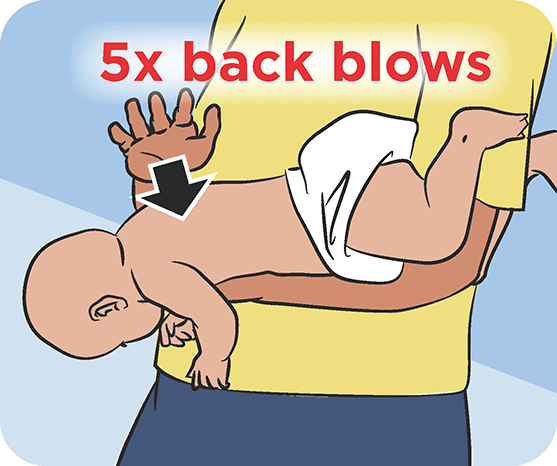
✅ Take a CPR or first aid course.
Can Children Eat Raw Fish?
Raw fish is one of the few foods where there is limited evidence regarding safe consumption for children under five. Some families introduce sashimi-grade fish to children as young as three, but as a paediatric dietitian, I would prioritise health and safety over rushing to introduce raw fish. If you are dining at a Japanese restaurant and want your child to experience the cuisine, consider safer alternatives such as:
- Teriyaki chicken
- Imitation crab meat
- Egg (tamago sushi)
- Cooked eel (unagi)
You can also serve cooked salmon or tuna at home. Sashimi is a delicious and nutritious food, but waiting a few more years until your child’s immune system is stronger is well worth it.
Take away message
Providing safe and nutritious food for children under five is crucial for their health and development. By avoiding high-risk foods, supervising meals, and ensuring appropriate textures, you can help your child develop healthy eating habits while minimising the risk of choking and foodborne illness.
If you have any concerns about your child’s diet or need personalised advice, speak to a qualified healthcare professional or paediatric dietitian.
References:
WHO statement on infant botulism
