Calcium is essential for children’s growth, especially during early childhood and teenage years when they go through rapid growth spurts. It plays a crucial role in building strong bones and teeth. Besides that, calcium functions as an electrolyte in the body, which means it helps muscles work properly and supports nerve function, allowing them to send messages effectively.
What Happens If My Child Doesn’t Get Enough Calcium?
It’s challenging to detect calcium deficiency with a simple blood test because if your body lacks calcium, it will take what it needs from your bones. This can weaken your child’s bones over time. Growing children need higher calcium levels to support bone development, especially during puberty when their bodies are building peak bone mass. Teenagers, in particular, need more calcium to build strong bones that will reduce their risk of osteoporosis later in life.
Insufficient calcium intake can lead to stunted growth in children and an increased risk of bone fractures. Additionally, bone density naturally decreases after young adulthood, so children who don’t get enough calcium are at risk of having lower bone mass early on, increasing the likelihood of osteoporosis at a younger age.
What Foods Are Good Sources of Calcium?

Photo sourced here
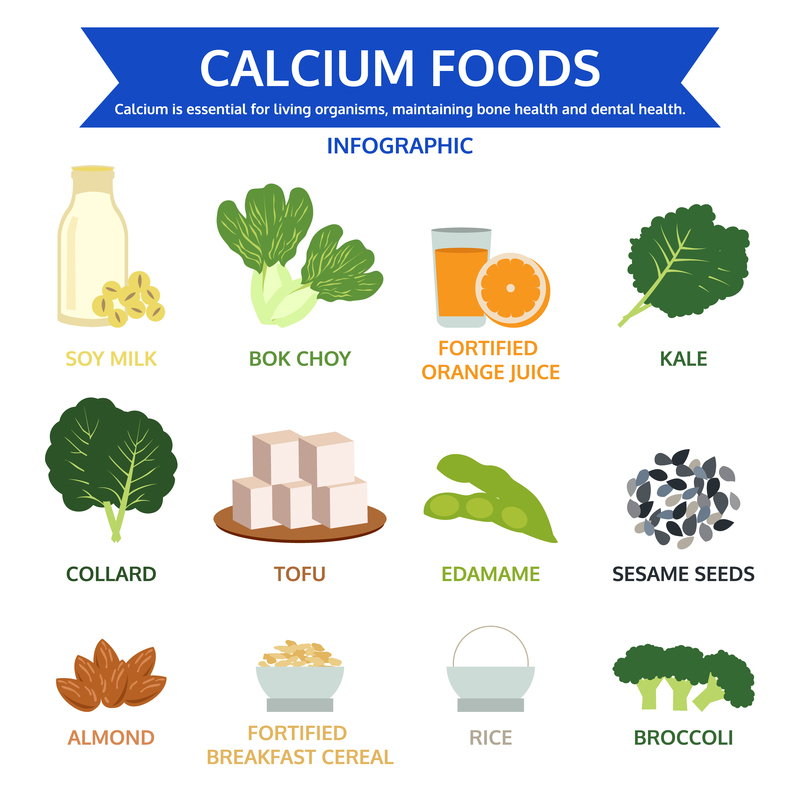
- Dairy Products: Milk, yogurt, and cheese are excellent sources of calcium. For instance, one cup of milk provides about 300 mg of calcium. Plant-based alternatives like calcium-fortified soy milk are great options for children who don’t consume dairy.
- Leafy Green Vegetables: While these are good sources, you’ll need to consume a larger amount compared to dairy. For example, one cup of cooked broccoli has around 45 mg of calcium, but only about half of that is absorbed due to the presence of compounds like oxalates.
- Tofu: Calcium content can vary, but firm tofu is generally higher in calcium. A cup of tofu can provide about 800 mg of calcium.
- Fish with Edible Bones: Canned salmon (with bones) is a good source, offering about 400 mg of calcium per half-cup serving.
- Nuts and Seeds: Almonds, sesame seeds, and tahini are good sources. For example, 15 almonds have about 40 mg of calcium, while a tablespoon of tahini contains roughly 75 mg.
- Calcium-Fortified Foods: Check for calcium-fortified cereals and breads, which can add 100-200 mg of calcium per serving.
How Much Calcium Is Enough?
Your child’s calcium needs varies depending on their age, and below is the recommended dietary intake of calcium your child should have per day:
| Age | How much calcium intake per day (mg/day) |
| 7-12 months | 270 mg |
| 1-3 years | 500 mg |
| 4-8 years | 700 mg |
| 9-11 years | 1,000 mg |
| Adolescents 12-18 years | 1,300 mg |
So to put this all in practical terms by age, this is how much dairy your child needs
| Age | How many dairy serves per day |
| 7-12 months | ½ – 1 serve |
| 1-3 years | 1½ serves |
| 4-8 years | 2 serves |
| 9-11 years | 3 serves |
| Adolescents 12-18 years | 3½ – 4 serves |
An example of a serve of dairy is:
– 1 cup (250 ml) of milk or calcium fortified plant based milk
– 1 tub (200g) of yoghurt
– 2 slices of cheese
Not All Calcium Is Absorbed Equally, and How Much You Eat Matters
To consume enough calcium as a glass of milk, a child needs to eat 5-6 cups of broccoli! Similarly, you need about a cup of almonds to have similar calcium content as a glass of milk, but almonds are high in calories which may cause unwanted weight gain (which can also have other health issues later on). So realistically it is easier to obtain the calcium your body need from a glass of milk, or a tub of yoghurt. Of course it is possible to mix and match your calcium intake from mixture of foods to meet your calcium needs. Calcium from vegetables may not be absorbed as well as calcium from dairy due to compounds that inhibit absorption, like oxalates. Additionally, studies have shown that there is a link between excessive caffeine intake and increased risk of osteoporosis, especially those who drink more than 8 cups of coffee per day may have an increase rate of calcium loss (impacting your calcium levels in your body). More information can be found here.
Don’t Forget Vitamin D
Vitamin D is crucial for calcium absorption. Low vitamin D levels can reduce calcium uptake, impacting bone health. A simple blood test can measure your child’s vitamin D levels. Sunlight exposure helps the body produce vitamin D, so encourage outdoor activities, especially in sunnier months. Always remember to be sun smart and to use sun screen with adequate SPF when playing in the sun.
What About Calcium Supplements?
The best way to get calcium is through food, but if your child isn’t meeting their calcium needs, supplements can be helpful. Always consult with a healthcare professional, such as your GP, pediatrician, or dietitian, to determine the right supplement and dosage for your child, as needs vary with age. Be cautious with supplements because excessive calcium intake can increase the risk of heart problems.
Remember, supplements are a temporary solution and not a substitute for a well-balanced diet. Ensuring a diverse diet with foods from all five food groups is the best approach to keeping your child healthy and supporting their growth.
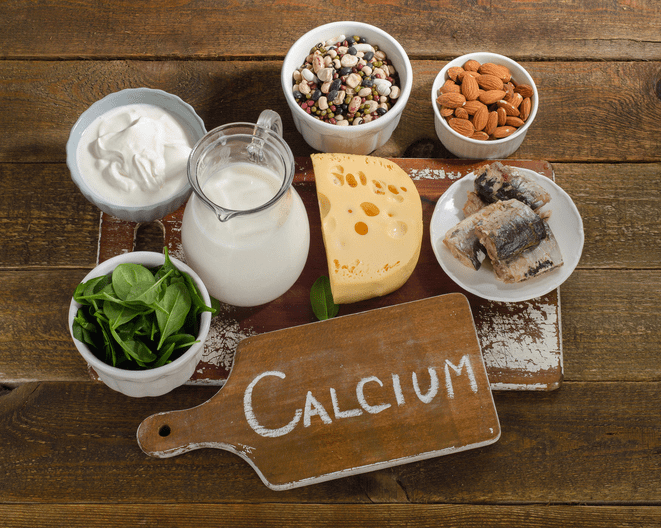
Photo sourced here