Toddlers are full of energy but often seem to run on just fresh air and sunshine! Many parents worry about whether their child is eating enough for healthy growth. In this post, I’ll cover how much your toddler needs to eat from each food group, when treats are okay, and some practical strategies for developing healthy eating habits.
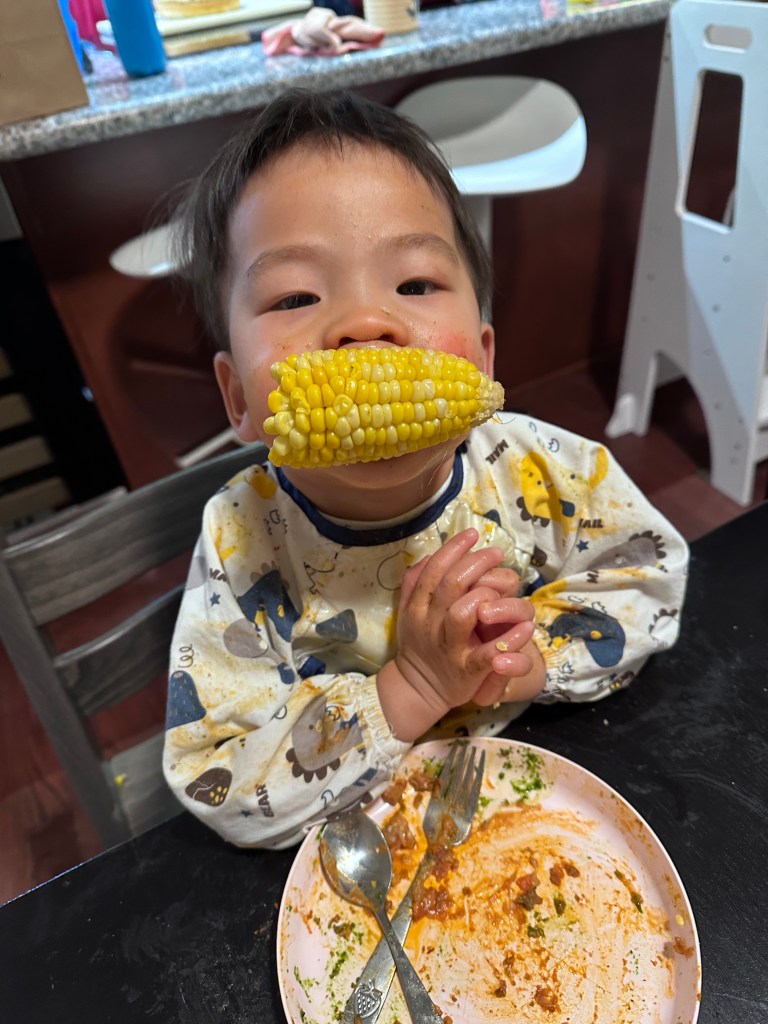
Understanding Toddler Nutrition Needs
Many parents I work with worry about whether their child is eating enough to support healthy growth. Toddlers need a wide variety of foods from the five main food groups, as outlined in the Australian Dietary Guidelines. Here’s a breakdown of what your toddler should aim for each day:
- Fruit: ½ serve per day. Examples:
- ½ a medium fruit like a pear or an apple
- 1 small fruit like kiwi or mandarin
- ½ cup of canned fruit (ideally in natural juices / no added sugar )
- Vegetables: 2–3 serves per day. Examples of one serve:
- ½ cup cooked vegetables like broccoli or carrots
- 1 cup leafy greens (e.g., lettuce, cucumbers)
- ½ cup cooked legumes, which can count as a protein for vegetarian families
- 1 medium tomato
- Dairy: 1–1.5 serves per day, ideally full-fat. Examples:
- 1 cup (250 ml) of milk and 1 slice of cheese
- 1 tub (200g) of yoghurt and ½ cup of milk (125ml)
- 3 slices of cheese
- 1½ cup (375ml) of milk
- Tip: Plant-based options like calcium-fortified soy milk can be used as a dairy alternative to replace milk
- Grains: 4 serves per day. Examples of one serve:
- 1 slice of bread
- ½ cup of cooked rice, pasta, porridge or quinoa
- ¼ cup of muesli
- 1 crumpet or 1 English muffin
- Tip: Choose whole grains or high fibre options to boost fibre intake
- High Protein foods: 1 serve per day. Examples:
- 65g of cooked red meat (beef, pork, lamb or veal) – about the size of a deck of cards or size of your palm.
- 80g of cooked lean poultry – about the size of a smartphone.
- 100g cooked fish fillet (115g raw) – about the size of your whole hand (palm and fingers); or one small can of fish
- Vegetarian / meat alternatives:
- 1 cup cooked or canned legumes/beans
- 2 eggs
- 170g tofu – about the size of a small paperback book
Treats: When Are They Okay?
A common question parents ask is, “What about treats?” At this age, toddlers and young children don’t need sugary or high-fat foods in their regular diet. Foods like pastries, hotdogs, sausage rolls, chips, candy, and ice cream don’t need to be part of their daily intake. But on special occasions, such as birthdays, holidays, or family celebrations, it is perfectly fine for your child to enjoy a treat or two. After all, food isn’t just about nutrition — it also brings joy, connects us to family traditions, and makes celebrations feel special.
Each family has its own unique traditions, so if your child’s grandparents make a sweet Diwali dessert or a Christmas treat, it’s wonderful to let them try it. These experiences help children feel connected to their family’s culture, rituals, and celebrations. Just remember that it’s all about balance, and occasional treats can be part of building healthy food relationships.
Tips for Managing Toddler Appetites and Picky Eating
Toddlers can have unpredictable eating habits. Some days it may seem like they’re eating everything in sight, while other days it feels like they’re hardly touching their food. This is entirely normal and part of their natural growth and energy cycles.
I follow the Division of Responsibility in Feeding by Ellyn Satter in my practice, and here’s what that means for parents: as the parent, it’s your role to decide what food to offer, where to serve it, and when to provide meals and snacks. Your job is to consistently provide balanced, nutritious food throughout the day. Your toddler, on the other hand, has the responsibility of deciding how much they want to eat (or even if they want to eat at all).
A big part of encouraging healthy eating is modeling those habits as a family. Make it a routine to sit down and eat together at the dining table. This not only makes mealtimes enjoyable but also gives your child a chance to learn from you. As a parent, aim to include a variety of foods from all five food groups to set a good example. Ideally, try to have three main meals and two to three snacks daily. If your toddler finishes a small portion and is still hungry, allow them to ask for more. Family-style serving, where your toddler can help themselves, can make mealtimes more interactive if they’re ready for it.
It’s common for toddlers to say they’re full at mealtime but ask for food within an hour. This likely means they didn’t eat enough during the meal. Having regular times for meals and snacks prevents constant grazing, which can lead to picky eating and make children less open to trying new foods at meals. Snacking often involves easy-to-grab foods, which are usually grains and less likely to include vegetables or proteins that are essential for growth.
Toddlers are also developing independence and may have strong preferences for certain foods. Just as adults have food preferences, toddlers are entitled to their likes and dislikes. If your child doesn’t enjoy a particular food, continue to reintroduce it casually without pressure, as it can take up to 10–20 exposures before a toddler decides if they like a new food. Keeping mealtimes flexible and positive helps toddlers feel safe to explore.
Avoid power struggles by offering your child simple, limited choices. For example, rather than asking them what they’d like for a snack, try asking, “Would you like an apple or a banana?” This way, they feel involved but without the chance to opt for ice cream instead of dinner. Children enjoy feeling heard, and giving small choices helps them feel included while keeping you in control of nutritious options.
Allowing your child to listen to their own hunger and fullness cues is essential for them to develop a positive relationship with food. Trying to force them to eat more than they need can cause them to ignore these internal signals, which may lead to overeating or restrictive eating patterns down the road. On the other hand, strictly limiting their food intake can create anxiety around food and may even impact body image later in life.
So, trust your child’s appetite. If they’re not interested in eating, avoid turning it into a power struggle. Let them make the choice, and they might even surprise you by coming back to eat when you’re not looking! It could be that they’re simply testing boundaries, or they’re curious about the food. Avoiding the pressure at mealtime helps keep eating enjoyable and relaxed, for both of you. Aim to create enjoyable family mealtimes, and gently encouraging variety without pressure builds a solid foundation for a positive relationship with food. And most importantly, food should be fun—let’s nurture that joy together!
Why toddlers just aren’t the best eaters (yet!)
Toddlerhood is a time of rapid development, but it’s also a phase when many children struggle with eating. Often, this isn’t just because they’re picky, rather it is because they’re still developing the skills needed to chew and swallow certain foods safely. Hard, stringy vegetables and tough cuts of meat need more chewing skills than toddlers usually have. Toddlers are still learning how to use their jaws and coordinate their chewing.
Without the adequate language skills to explain that toddlers are not able to manage a food (because a food is too tough or that they’re simply tired of chewing), toddlers will often respond by spitting it out or refusing it altogether. As a parent, this is a good reminder that food refusal isn’t always about flavor; it can also be about texture, temperature, or even the effort required to eat it.
To make mealtimes easier and safer, consider adjusting the texture and size of certain foods. Cook vegetables until they’re soft, shred or cut meat into small, manageable pieces, and keep an eye on foods that are choking risks for children under three, like whole grapes, nuts, and popcorn. Surprisingly, foods like large marshmallows or hard lollies can also pose a risk, as toddlers may try to swallow them whole.
By respecting your toddler’s needs and offering safe, manageable food options, you’re helping them build confidence and skills that will serve them for life. Remember, it’s okay for your child to refuse a food; they may simply need time to grow into it.
Hydration: Water and Milk
It’s important to choose water or milk as your child’s main drinks throughout the day. Make sure water is easily accessible in a sippy cup or a non-spill cup so your child can drink whenever they want. Always offer a small cup of water with every meal and snack. Toddlers need about 4 cups (or 1 liter) of fluids daily. If your child isn’t getting other dairy sources like yoghurt or cheese in their diet, they should have just under 400 ml of milk to meet their daily dairy needs.
Summary & Tips
- Grains and Cereals: Choose whole grain or high-fibre cereals. Look for options that are low in sugar by checking the sugar content on food labels (look for lower sugar per 100 grams – personally I aim for <8g of sugar per 100 grams).
- Vegetables: Offer a colorful variety of vegetables every day, including orange, yellow, green, and purple options. This not only makes meals more appealing but also ensures a range of nutrients.
- Fruits: Fresh fruit is the healthiest option, but if that’s not always possible, frozen fruit is a good alternative. If you opt for canned fruit, choose those packed in natural fruit juices rather than sugary syrups.
- Dairy: Unless your pediatrician has concerns about your child’s weight, children under two should have full-fat dairy products. For vegan families, make sure the milk alternative of your choice is fortified with calcium.
- Protein Sources: Offer a variety of proteins such as poultry, fish, eggs, and meat alternatives throughout the week. For example, you might serve chicken once a week, beef once a week, pork once a week, fish twice a week, and a meat alternative like tofu, eggs, or legumes twice a week. This variety helps your child learn to enjoy different foods.
- Follow the Division of Responsibility: You as a parent decide what, when, and where your child eats. The child decides how much to eat or whether to eat at all.
- Trust Their Appetite: Avoid pressuring them to eat more than they want. Over time, this helps them stay tuned to their hunger and fullness cues.
- Create a Routine: Serve three meals and 2–3 snacks daily to prevent grazing, which can interfere with their hunger at mealtimes.
- Model Healthy Eating: Eating together as a family at a dining table shows them healthy habits and encourages them to try new foods.
- Set them up for success: Allowing food refusal, frequent reintroduction of non-preferred food and cutting up food to smaller pieces can help with food acceptance
- Resources: I use the Australian Dietary Guidelines here. Also the Raising Children website here is great for parents looking for reliable resources.
Toddlers are naturally curious and may change their preferences frequently. Allowing them the opportunity to try foods multiple times, even if they initially reject them, is essential to developing their tastes. By setting up a structured but flexible approach to mealtimes to encourage healthy eating habits, you can set the stage for a lifetime of good nutrition!
