Snacks play an important role in a child’s diet since their small stomachs can’t hold as much food during meals, this is especially true for young children. Small, nutrition dense snacks throughout the day can help them meet their energy and nutritional needs. Here are some tips for building a balanced and healthy snack options:
- Choose from at Least Two Food Groups: Try to include a combination of two or more food groups, like fruits with dairy or grains with protein and vegetables, for balanced nutrition.
- Minimise Added Sugars, Salt, and Fats: Choose for foods that are naturally low in sugar, salt, and fat to keep snacks wholesome.
- Limit Packaged Foods: While packaged snacks are convenient, it’s best not to rely on them too heavily. Fresh or homemade snacks are usually the better food options that is more nutrition dense.
- Choose Whole Grains and Less Processed Foods: Whole grains are more nutritious than refined grains, so look for less-processed options.
- Offer Choices: Allowing your child to choose from a couple of healthy snack options can give them a sense of independence and increase their likelihood of accepting your snack options.
- Encourage Water with Snacks: Keep water readily available to through the day to keep hydration levels up, and always offer water with snacks and meals.
- Keep Easy, Healthy Options Available: Pre-cut fruits and vegetables and storing them in the fridge can make these foods an easy snack option for the family.
- Try Flavor Combinations: Pair vegetables with a tasty dip, like hummus or cream cheese, or try apple slices with peanut butter for a flavorful twist.
Snack Ideas for Kids
Below are some snack ideas divided based on food groups so that you can mix and match your snacks based on what you have available, and based on what you child will eat.
Fruit Options
- Apples (sliced thinly / shredded for younger children, or baked with cinnamon)
- Bananas, or fresh berries like strawberries, blueberries, and raspberries
- Grapes (cut lengthwise to prevent choking)
- Persimmons, orange slices or mandarin pieces
- Pineapple, kiwi or mango (cut up for convenience)
- Cantaloupe, honeydew or watermelon (cut into cubes or slices)
- Pears, plums, peaches or apricots
- Tropical fruits such as longan, durian, pomegranate, star fruitand dragon fruit
- Freeze-dried fruit is also an option but can be pricey, so consider it an occasional treat.
- If fresh fruit isn’t available, tinned fruit in natural juice or unsweetened apple / pear purée can be convenient alternatives.
- Tip: If fruit is hard like apples and pears, slicing them thinly will make them easier for your child to chew them. Softer fruits such as plums or peaches can be cut into wedges.
Vegetable Ideas
- Crunchy options like snow peas, sugar snap peas, green beans, cucumber slices or cucumber sticks, celery sticks, or thinly sliced carrots or shredded carrots or carrot sticks
- Cherry tomatoes (halved for choking hazard)
- Lightly steamed or roasted veggies like sweet potato, broccoli, or cauliflower florets
- Peas or edamame (thawed and blanched in hot water)
- Capsicum slices, avocado slices or corn (corn kernels or a piece of corn on the cob)
- Tip: Cut hard vegetables thinner / smaller in size for younger children as they can be a choking hazard.
Dairy
- Cheese slices, cheese sticks, or baby cheese portions (such as babybel or laughing cow)
- Yogurt (ideally unsweetened or plain)
- A small cup of milk (as appropriate for their age)
Protein (Meat or Meat Alternatives)
- Hummus, or other spreads like peanut butter, almond butter, ABC butter etc
- Nuts such as pistachios, cashews, peanuts for children over three years of age
- Legumes or beans or chickpeas – you can try roasting with a little olive oil and herbs for extra flavour
- Tinned tuna in olive oil or natural spring water
- Small, easy-to-handle strips of cooked chicken, turkey, or thinly sliced beef or lamb
- Eggs in any form your child enjoys, like scrambled, hard-boiled, or as a mini omelet
- If you use deli meats, keep them to occasional treats as they are now considered group 1 carcinogen as according to the World Health Organisation (more information about this here).
Whole Grains
- Wholegrain or wholemeal variety of bread, English muffins, bagels or crumpets
- Low-sugar cereals like Weet-Bix or Cheerios
- Oat bars or pikelets or pancakes
- Wholegrain crackers such as ryvitta or vita weet
- Quinoa, puffed rice or noodles
With these ideas, you can now mix and match to create an endless possibility of snack options!
Here are some popular snack examples that you can offer:
- Wholegrain rice crackers with peanut butter
- Fruit and plain yoghurt
- Milk and fruit
- Vegetable sticks with cream cheese
- Vita weet with slices of chicken and cucumber slices
- Hard boiled eggs with edamame and cream cheese
- Puffed rice with avocado and tinned tuna
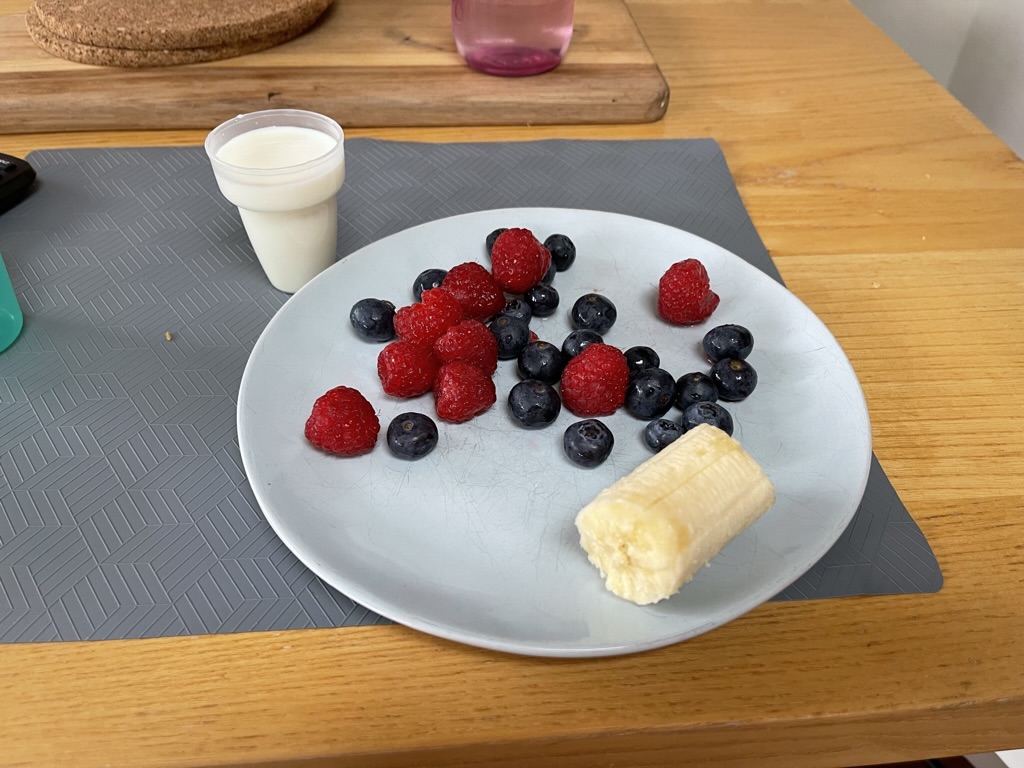
Snack time is a valuable moment to continue to introduce important nutrient dense food to your child. Remember to keep snack time relaxed and positive—it’s a great opportunity to introduce new tastes and textures in an stress-free way.
