You have read all about introducing solids, you know which foods to start with and when, but now you’re wondering—how do I actually put it all together?
What You Need
Here’s a checklist of essentials to have on hand to make this journey smoother:
Seating: A sturdy highchair or supportive seat to help your baby sit upright.
Baby-Friendly Cutlery: Baby-sized spoons and cups, ideally made from non-breakable materials.
Plates & Bowls: Bowls or plates that are safe for little hands. You can even consider those with suction at the bottom to stop your baby from pushing the bowls or plates off the table.
Basic Cooking Gear: A stovetop, pots, pans, a blender or food processor, chopping boards, knives, and utensils like spoons, forks, scoops, or ladles.

How to Introduce Solids
For most families, starting with smooth purées is common. You can use a blender or food processor to create a smooth texture, or simply mash food with a fork until there are no lumps. Add a small amount of fluid like water, breast milk, or formula to reach the right consistency. Within a month or two, progress to a mashed texture, allowing for some soft lumps. As your baby gets older, work towards slightly larger chunks to help them practice chewing. By 10-12 months, begin offering soft, manageable finger foods like cooked pasta, boiled egg quarters, banana slices, or tender vegetables. By 12 months, they should be eating of family foods, ideally with no added salt or sugar, though you will still need to cut them into smaller, more manageable pieces.
Preparing Food Safely
Before cooking, wash your hands thoroughly and make sure to clean all utensils, surfaces, and produce. For foods that don’t require cooking, like toast or bananas, cut them into manageable pieces. For hard fruits and vegetables, such as apples or carrots, wash, chop, and cook them until soft. Ensure meats are fully cooked, deboned, and not pink in the center. If using seafood, double-check for bones or shells. Use a blender or mash foods to adding small amounts of liquid such as water, cow milk, express breast milk or formula to adjust to your desired consistency. Allow food to cool to a safe temperature before feeding.
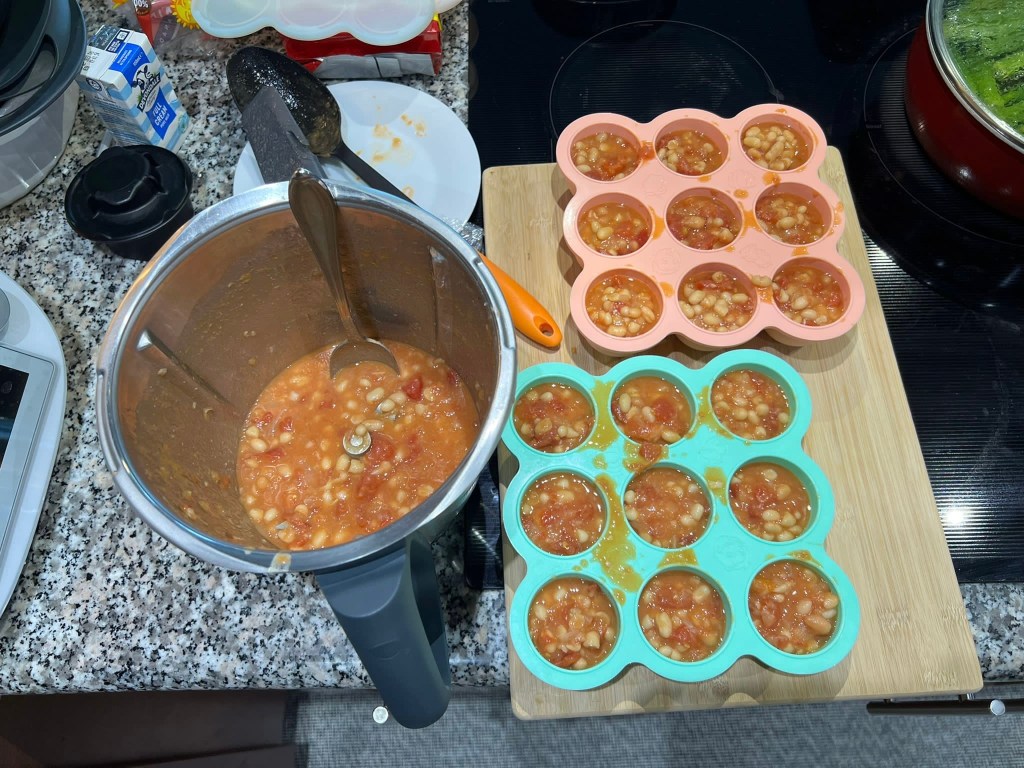
After cooking, check that food is at a safe temperature before serving. Since small portions are often all a baby needs, you can cool food down and freeze leftovers in an ice cube tray. Label them with content and the date to keep track. If not freezing, you can refrigerate leftovers for up to two days.
Feeding Your Baby
Choose a calm time when your baby is alert, preferably after a nap. Seat them in a high chair and offer a spoon, either loaded with food or empty, for exploration. Place a small amount of food on the tip of the spoon, hover the spoon close to their mouth, and wait for them to open up. Give your baby time to explore the food—they may roll it around in their mouth to get used to the new textures, flavours, and temperatures.
Signs Your Baby Wants More
If your baby wants more, they may reach for food, open their mouth eagerly, smack their lips together, laugh or smile, stare at the food or even guide your hand to their mouth. These cues let you know they’re ready for another bite.
Signs Your Baby Has Had Enough
Your baby will show they’re full by pushing food or utensils away, turning their head, or becoming distracted. They may close their mouth when you try to feed more food. If offering a variety of food, they may be finished with one item but can still be interested in others, so try offering different foods on their plate to see if they’re done.
How Much Food to Offer
Every baby is unique, so it’s best to follow their hunger cues. When just starting, they might only take a few bites while older babies may eat more, especially if they’re shifting to food first before having a milk feed. Always watch your baby’s cues and to avoid wastage, freeze small portions for easy reheating. Never refreeze previously frozen food and discard any uneaten foods that you have reheated.
Initially, start with one solid meal a day and gradually increase to two meals as your baby shows interest. By around nine months, aim for three meals daily to encourage variety. You can also start to offer small snacks between meals, such as quarter of a piece of fruit or a few spoonfuls of yoghurt. By twelve months of age, your baby should have three meals and one to two snacks a day.
Managing Milk feeds
Milk is still a significant part of your baby’s diet. When beginning solids, offer milk first, then wait about 30 minutes before solids. By 9-10 months, consider offering food before milk for lunch, and then giving them milk before a nap. By 12 months, they can have food first at all meals, aim to serve food first and follow up with milk after 30 minutes or more. You can aim to offer your baby a milk feed before nap or before their night sleep – this would equate to 2-3 milk feeds a day.
Managing the Mess
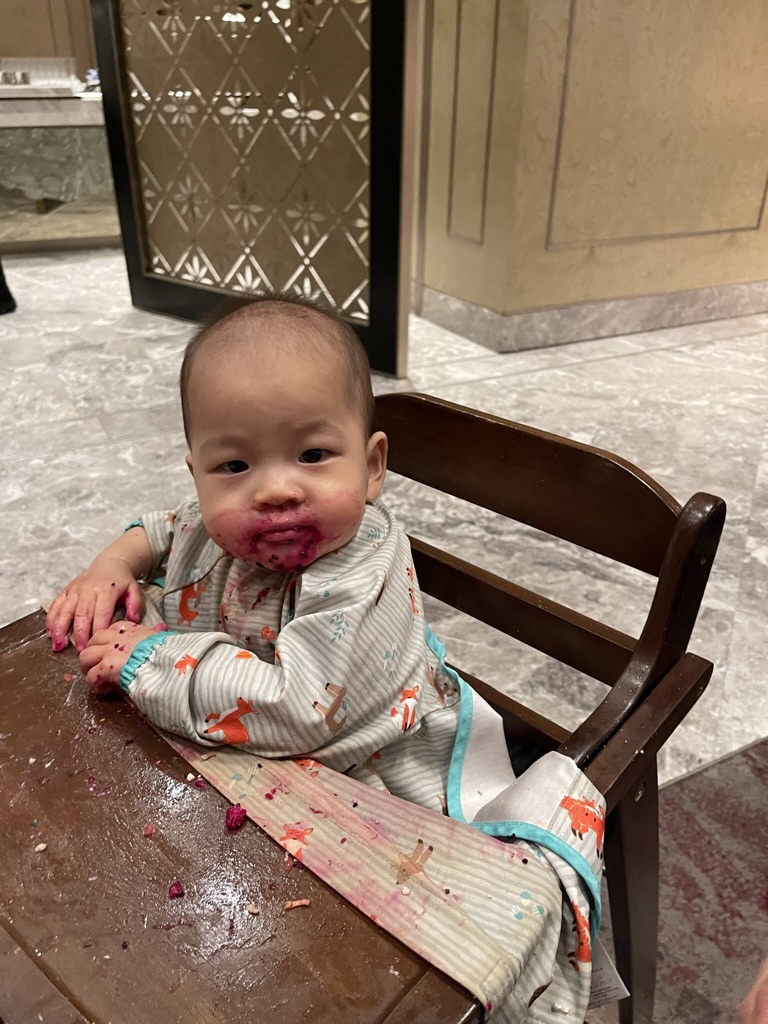
Mealtime mess is inevitable! Use a bib, and consider laying down a washable mat under the highchair. If possible, feeding outside in warmer weather can make cleanup easier. Some families choose to dress babies in just a diaper for meals, making a quick rinse in warm water or a soapy wipe-down easy after they eat.
Introducing solids is a learning adventure for both you and your baby. With patience and some planning, it can be a fun time of discovery and growth for your little one!