Introducing Allergens to Your Baby
Introducing allergens to your baby is an important step in their nutrition journey. Recommendations on how and when to introduce allergens have changed in recent years, and starting early can help reduce the risk of developing allergies. Here’s what you need to know to get started confidently!
What Foods to Introduce?
There are nine major allergenic foods to consider introducing:
- Cow’s milk (dairy)
- Soy
- Peanuts
- Tree nuts (any other nuts that are not peanuts, such as macadamia, cashew, hazelnuts)
- Wheat
- Eggs
- Fish
- Shellfish
- Sesame seeds
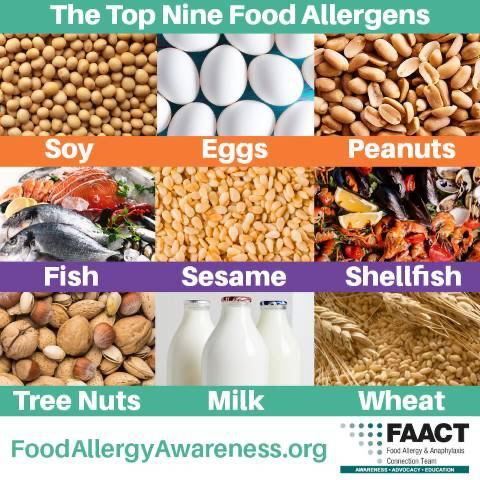
When to Introduce Allergens
The Australian Society for Clinical Immunology and Allergy (ASCIA) recommends introducing allergenic foods around six months of age but not before four months of age. There is no need to delay introduction of common allergy causing foods. In fact, early introduction may actually help prevent allergies. When your baby is showing signs of readiness for solids, introduce these foods individually at each meal, and monitor for any allergic reactions.
How to Introduce Allergenic Foods
It’s normal to feel nervous when introducing allergenic foods. To make this easier:
- Start with one allergenic food at a time, ideally in the morning after your baby has had a nap. This way, you can observe them for a while after introducing the new food to monitor for any allergy reaction.
- Use age-appropriate textures: For example, you might serve a tiny amount of smooth peanut butter thinned down in texture with breast milk, formula, or water for a 4-6 months old baby; or offer well cooked scrambled eggs in pieces for an 8 month old baby.
- Keep it consistent: Once introduced, continue offering the allergenic food twice a week to keep it in your baby’s diet, which helps maintain tolerance. Research now suggests that introducing allergenic foods without regularly including them in your baby’s diet may increase the risk of developing food allergies later on.
- Start small: Offer just a tiny bit—a teaspoon or less is enough initially. Aim to build up in amount as your baby eats more solids with time
Important: Avoid putting allergenic foods on your baby’s skin to check for a reaction. This is not only unhelpful in recognising food allergies, and smearing allergenic food onto skin could actually increase the risk of developing food allergy to that particular allergen.
Recognizing an Allergic Reaction
When introducing new foods, it’s important to know the signs of an allergic reaction. Symptoms can range from mild to severe, and reactions typically happen quickly (within minutes to two hours after eating).
- Mild to Moderate Symptoms: Look out for itching, hives or welts, swelling of the lips / eyes or face, coughing, vomiting, or digestive changes like diarrhoea or blood in stools, or any change in your baby’s behaviour (becoming very unsettled)
- Severe Symptoms (Anaphylaxis): These may include difficulty breathing, pale or floppy appearance, swelling of the lips or tongue, vomiting or intense distress. Anaphylaxis is life-threatening, so you will need to call an ambulance immediately.
If you notice symptoms that you think could be food allergy:
- Stop feeding your baby the allergenic food.
- Seek medical advice before reintroducing the food, especially for mild to moderate symptoms.
- Call an ambulance if you think your baby has an anaphylactic episode.
Tip: Taking photos or videos of the reaction (if possible) can be extremely useful to show to your doctor. Also, taking photos or videos provide an accurate time stamp on when your child has an allergy reaction.
Remember, mild redness around the mouth is often just irritation and not always an allergic reaction.
For more information about signs and symptoms, consult the ASCIA website and talk to your healthcare provider if you have concerns.
Resources
For additional support, check resources like ASCIA’s guidelines on introducing allergens or consult with your paediatrician, GP or even a paediatric dietitian, who can help guide you through this process safely.
